
Darby Walton, LPC, NCC
Therapy for Complex Trauma, Attachment, and Relationship Patterns in Mississippi and Florida
Your nervous system remembers things your mind has already tried to move past. When the trauma was ongoing rather than a single event, that is exactly what the work is for.
Book a free consultationVirtual sessions across Mississippi and Florida, based in Madison, MS. Most major insurance accepted, and we verify your benefits for you.
What Darby works on most
Complex Trauma & PTSD
Trauma that was ongoing rather than a single event, and the parts of you that organized around surviving it.
Attachment & Relationship Patterns
Ways of doing closeness that made sense in your first relationships and cost you in your current ones. Includes codependency.
LGBTQIA+ & Relationship-Diverse Care
Affirming of LGBTQIA+, non-monogamous, and kink-diverse clients. Your identity and structure are context here, not the problem.
Surviving Intimate Partner Violence
Trauma-informed work on what actually follows it: PTSD, depression, and the substance use that often comes with both.
Co-Occurring Substance Use
Years of dedicated addiction work, so the trauma and the coping get addressed together rather than in sequence.
About Darby
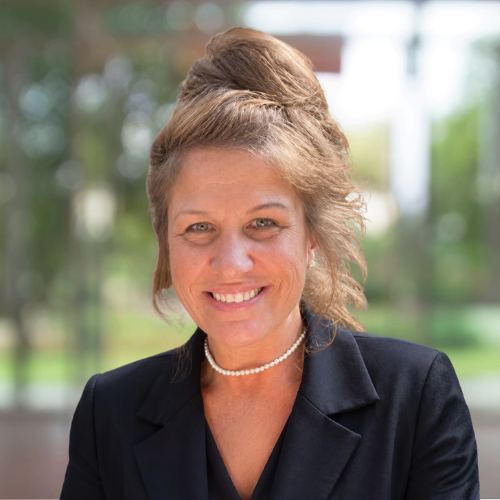
Darby Walton is a licensed professional counselor in Mississippi and Florida, and a National Certified Counselor, based in Madison, Mississippi, and seeing clients by telehealth across both states. She has over a decade of clinical practice, with behavioral health experience dating to 2008, and works with adolescents, adults, and couples on complex trauma, attachment wounds, and the relationship patterns that grow out of both.
She is EMDR Level II Trained and works with Internal Family Systems and ego-state approaches alongside polyvagal and somatic regulation. That combination matters for complex trauma: when there is no single incident to process, you need methods that work with patterns and parts rather than one memory at a time.
Her practice also includes trauma-informed care for survivors of intimate partner violence, and co-occurring substance use, built on years of dedicated addiction work across residential, drug court, and outpatient settings. She also treats eating disorders at an outpatient level, coordinating with higher levels of care when that is what someone needs. She is currently completing her LPC-S training to expand into clinical supervision.
The consultation is a conversation, not a commitment
Deciding whether to start therapy is hard enough without a calendar demanding a card number. Here is the whole process.
Answer a few questions
Your state, what brings you in, and how you would pay. Under a minute.
Talk to Darby for 15 minutes
By video, at no cost. You describe what is going on and she tells you how she would approach it.
Decide after the call
If it feels right, you book a first session. If not, we help you find someone who fits better.
What clients often say when they first reach out
Paraphrased versions of what Darby hears most. If one of these sounds like your own head, you are in the right place.
Therapeutic approaches
- EMDR (Level II Trained)
- Internal Family Systems and ego-state work
- Attachment-based therapy
- Polyvagal and somatic regulation
- Cognitive Behavioral Therapy
- Dialectical Behavior Therapy
- Acceptance and Commitment Therapy
- Motivational Interviewing
- Experiential and sand tray therapy
- Mindfulness-based therapy
Also works with
- Anxiety and depression
- Codependency
- Dissociation
- Shame and self-worth
- Self-esteem
- Eating disorders, at an outpatient level
- Family conflict
- Divorce and separation
- Parenting support
- Anger and stress management
Who she sees
- Adolescents 13+
- Adults
- Couples
- LGBTQIA+, non-monogamous, and kink-diverse clients
- Court-involved and mandated-to-treatment clients
- Virtually across Mississippi and Florida
Questions before you book
Where can Darby see clients?
Mississippi and Florida. She is based in Madison, Mississippi, and sees clients by video across both states, and you need to be physically in Mississippi or Florida at the time of your appointment.
What ages does she work with?
Adolescents from around 13 up, and adults. She also sees couples. For minors, a parent or guardian is part of the intake, and Darby will be clear with everyone about what stays private.
What if I can't point to a specific trauma?
That is common with complex trauma, and it is not a disqualifier. When the difficulty was ongoing rather than a single event, the work is with patterns and parts instead of one memory, which is exactly what IFS and ego-state approaches are for.
Is EMDR going to make me relive it?
No. Darby is EMDR Level II Trained, and the approach is paced deliberately. The preparation phase comes first, often several sessions of building capacity before any reprocessing. You can stop a set at any point.
What does relationship-diverse affirming mean in practice?
It means your relationship structure or practices are context, not pathology, and not something you need to justify or educate her about before getting to what you came in for.
Can she help with substance use and trauma at the same time?
Yes, and that is much of her caseload. She has years of dedicated addiction work behind her, so the coping and what it is covering get worked on together rather than one waiting on the other.
Let's see if we're a fit
A few quick questions, then you can book a free 15-minute consultation with Darby.